

Export Rebar from Iran to Kazakhstan: Complete 2026 B2B Guide
Export rebar from Iran to Kazakhstan has become one of the most strategic steel trade routes in the CIS region. With Kazakhstan’s ongoing infrastructure expansion, residential construction growth, and industrial development, demand for high-quality reinforcing steel remains consistently strong. Iranian rebar manufacturers, known for competitive pricing and reliable production capacity, are increasingly positioned as preferred suppliers for Kazakh contractors and distributors.
This guide explains everything international buyers need to know about exporting rebar from Iran to Kazakhstan — specifications, grades, standards, pricing factors, logistics routes, customs procedures, and how to choose the right supplier.
Why Kazakhstan Imports Rebar
Kazakhstan continues to invest heavily in:
- Urban residential projects in Almaty and Astana
- Industrial zones and logistics hubs
- Oil, gas, and energy infrastructure
- Road and railway development
These projects require large volumes of reinforcing steel bars that comply with regional standards. While Kazakhstan has domestic steel production, imports remain necessary due to pricing advantages and supply flexibility.
Iranian rebar exporters offer:
- Competitive FOB pricing
- Stable supply capacity
- Fast delivery via land and Caspian Sea routes
- Flexible production grades
Overview of Iranian Rebar Industry
Iran is one of the major steel producers in the region. Rebar is produced in electric arc furnaces using billet as raw material and manufactured according to international standards.
Common Iranian rebar grades include:
- A2 (semi-hard ribbed rebar)
- A3 (high-strength ribbed rebar)
- A4 (high tensile rebar)
Iranian mills typically produce rebar diameters from 8mm to 32mm, with custom sizes available for bulk orders.
Production capacity and export infrastructure allow consistent shipment volumes suitable for large Kazakh construction firms and steel distributors.
Rebar Grades and Standards for Kazakhstan
When exporting rebar from Iran to Kazakhstan, compliance with technical standards is critical.
Kazakhstan typically accepts products aligned with:
- GOST standards (commonly used across CIS countries)
- International equivalents such as ASTM or DIN
Before shipment, buyers usually request:
- Mill test certificate (MTC)
- Chemical composition report
- Mechanical properties documentation
- Weight tolerance confirmation
Clear documentation reduces customs delays and builds long-term buyer trust.
Technical Specifications of Iranian Rebar
Standard specifications include:
- Diameter range: 8mm to 32mm
- Length: 12 meters standard (custom length available)
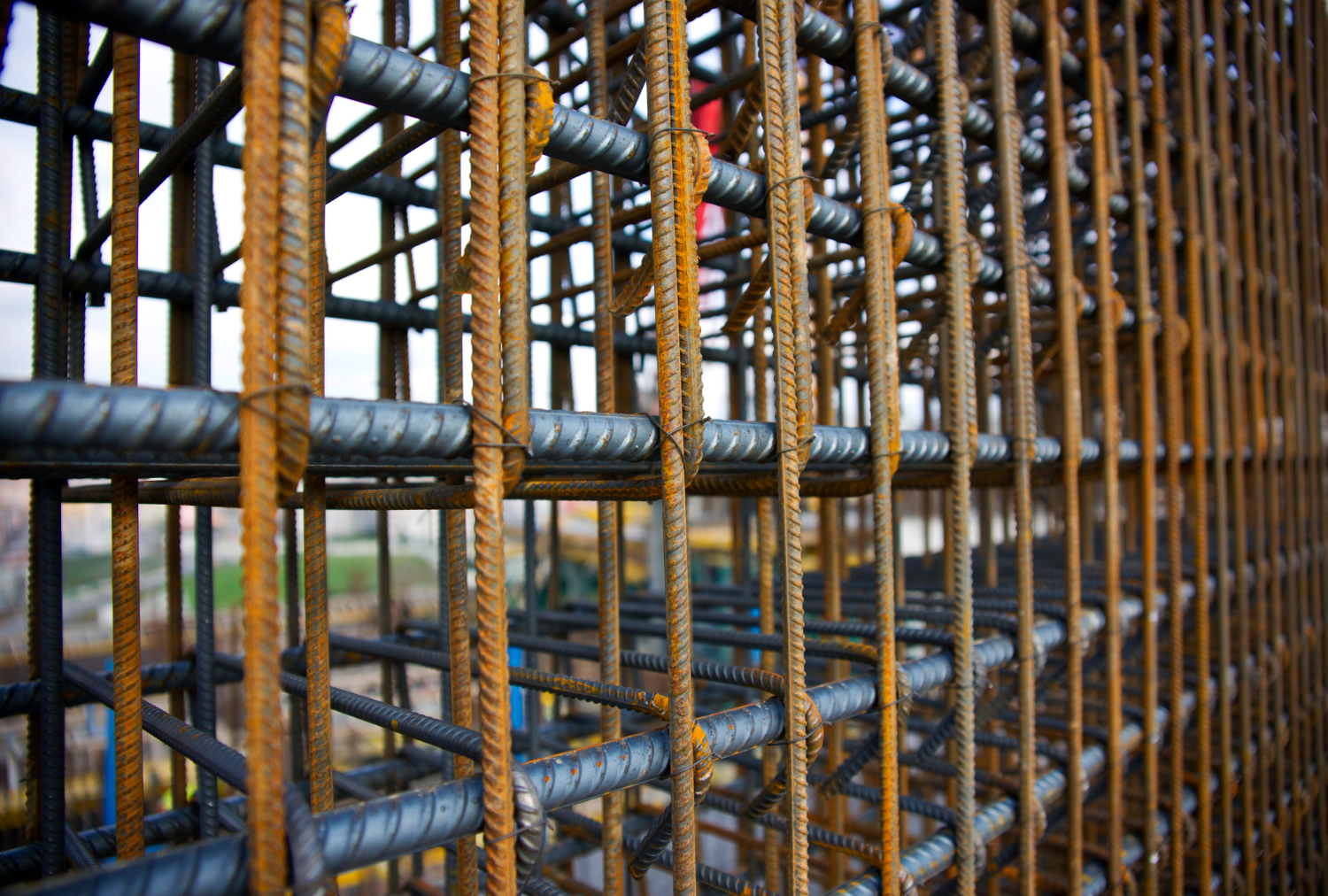
- Surface: Ribbed for reinforcement bonding
- Tensile strength varies by grade
- Yield strength depending on A2, A3, or A4
Packaging for export is usually done in bundled form with steel straps and identification tags including heat number and batch information.
Pricing Structure for Rebar Export to Kazakhstan
Several factors influence rebar export pricing:
- Global billet price
- Iron ore market fluctuations
- Energy costs
- Exchange rate variations
- Freight and insurance
- Order volume
Most export contracts are based on:
- FOB Bandar Abbas
- FCA border delivery
- CIF Aktau (via Caspian Sea)
Bulk buyers benefit from better pricing tiers. Transparent cost breakdown ensures stable long-term cooperation.
Logistics Routes from Iran to Kazakhstan
There are two primary shipping methods:
1. Land Transportation
Cargo moves by truck or rail through Turkmenistan or via northern corridors. This method is suitable for faster delivery of medium volumes.
2. Caspian Sea Route
Shipment from northern Iranian ports to Aktau port in Kazakhstan. This option is cost-efficient for bulk cargo.
Transit time varies depending on route and customs clearance efficiency.
Required Export Documents
To successfully export rebar from Iran to Kazakhstan, the following documents are typically required:
- Commercial invoice
- Packing list
- Certificate of origin
- Bill of lading or CMR
- Mill test certificate
- Customs declaration
Proper HS code classification ensures smooth border processing.
Customs and Import Considerations in Kazakhstan
Importers must verify:
- Applicable import duties
- VAT regulations
- Compliance with Kazakh technical standards
- Certification requirements
Working with experienced exporters minimizes risk of documentation errors and delays.
Advantages of Sourcing Rebar from Iran
Kazakh buyers increasingly choose Iranian rebar because:
- Competitive regional pricing
- Geographic proximity
- Stable supply capacity
- Flexible order quantities
- Strong regional trade relations
These factors create long-term B2B opportunities.
Quality Control and Inspection
Professional exporters implement strict quality control measures:
- Pre-shipment inspection
- Third-party testing if requested
- Batch tracking system
- Compliance certification
Quality assurance strengthens buyer confidence and reduces project risk.
Market Outlook for 2026
The Kazakhstan construction market is expected to maintain steady growth driven by infrastructure modernization and housing development programs. Demand for reinforcing steel will remain strong, creating ongoing opportunities for Iranian exporters.
Companies that maintain consistent quality, transparent pricing, and reliable logistics will gain competitive advantage in this expanding trade corridor.
How to Choose a Reliable Rebar Exporter
When selecting an Iranian rebar supplier, consider:
- Export experience to CIS markets
- Production capacity
- Documentation transparency
- Logistics capability
- Payment terms flexibility
Long-term partnerships reduce operational risk and ensure consistent supply.
Final Thoughts
Export rebar from Iran to Kazakhstan represents a strong opportunity for both suppliers and buyers. With competitive pricing, regional proximity, and established trade routes, Iranian reinforcing steel can effectively support Kazakhstan’s expanding construction sector.
Careful attention to specifications, documentation, and logistics planning ensures smooth transactions and sustainable B2B growth.